
Best Time to Visit Udaipur: A Guide to Every Season
Udaipur never feels quite the same twice. In winter, its lakes shimmer beneath clear blue skies and palace courtyards buzz with visitors. Come summer, the city slows to a gentler pace, while the monsoon cloaks the Aravalli Hills in vibrant shades of green, giving familiar landmarks an entirely different character. The best time to visit Udaipur depends less on the calendar and more on the kind of journey you have in mind. Whether you are drawn to heritage walks, scenic lake views, festive celebrations or the quiet charm of the rainy season, each month offers a distinct perspective on the City of Lakes. This guide will help you decide when to plan your visit based on the experience you are seeking.

Udaipur's Seasons at a Glance
- Winter (October to March): Clear skies and temperatures between 10°C and 28°C. The most popular season, with higher hotel rates and fuller attractions. Holi in March marks the end of this window.
- Summer (April to June): Temperatures climb to 42°C by May. Crowds and prices both drop. Early mornings and evenings remain manageable
- Monsoon (July to September): Temperatures range from 24°C to 33°C. Heavy rainfall from July into August, easing by September. The Aravalli Hills are at their greenest and the lakes at their fullest.
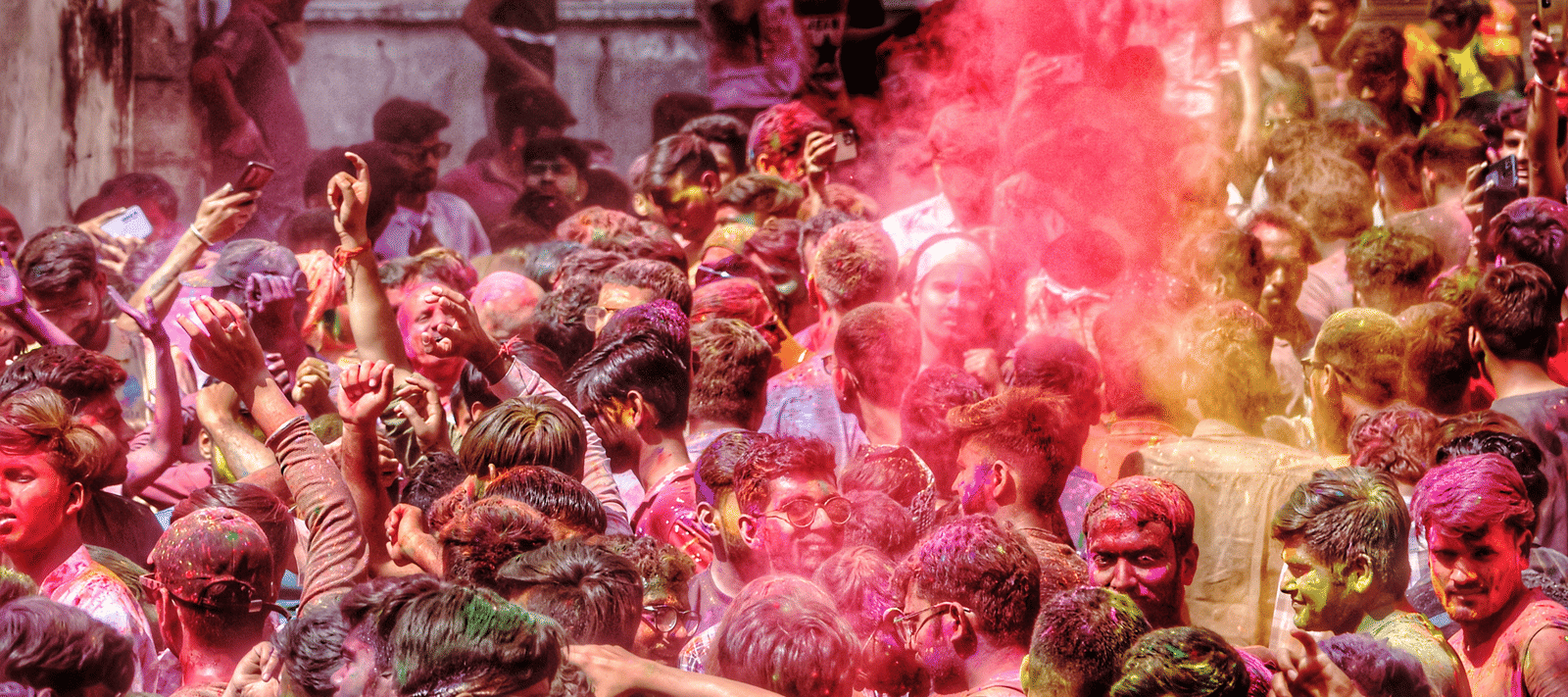
Udaipur in Winter (Oct - Mar): The Peak Season

Udaipur in Summer (Apr - Jun): The Off-season Charm

Udaipur in the Monsoon (Jul - Sep): A Season of Renewal

Month-by-Month Weather Guide
Month | Temperature | Conditions | Notes |
| January | 10°C - 25°C | Dry and clear | Coldest month; ideal for uninterrupted sightseeing |
| February | 13°C - 28°C | Dry | Holi preparations begin in the old city towards month's end. |
| March | 18°C - 33°C | Dry | Holi and Gangaur festival bring processions to the ghats. |
| April | 23°C - 38°C | Light rainfall possible | Shoulder-season option before the heat builds |
| May | 27°C - 42°C | Dry | Hottest month; plan outdoor time early morning or dusk |
| June | 27°C - 39°C | Pre-monsoon showers begin | First rains bring relief from the heat. |
| July | 25°C - 33°C | Heavy rain | Aravalli hills turn green, lakes begin to fill. |
| August | 24°C - 31°C | Heaviest rainfall | Most atmospheric month; Teej and Janmashtami add colour |
| September | 23°C - 32°C | Rains easing | Landscape stays green, crowds remain low |
| October | 18°C - 33°C | Dry | Post-monsoon clarity returns; Navratri brings Garba nights |
| November | 13°C - 29°C | Dry and cooling | Diwali falls Oct/Nov; palace facades and ghats are vivid |
| December | 9°C - 25°C | Dry | Peak tourist season; advance booking advisable |

Festivals & Events by Season
- Holi (February / March): Celebrated across the old city with colour, music, and processions through the lanes. One of the most visually intense events in Udaipur's calendar.
- Mewar Festival (March / April): A 3-day festival coinciding with Gangaur, featuring traditional dress, folk performances, and ceremonial processions on the Gangaur Ghat
- Teej (July / August): A monsoon festival honouring the goddess Parvati. Married women dress in traditional attire, while the streets come alive with folk music, making it a special cultural experience during Udaipur in monsoon.
- Janmashtami (August): Krishna's birth anniversary, observed across Udaipur's temples with midnight prayers and community celebrations
- Navratri (September / October): 9 nights of Garba, the traditional dance of Rajasthan and Gujarat. Venues across the city host large public gatherings.
- Diwali (October / November): The Festival of Lights; Udaipur's palaces and lake edges are lined with lamps and candles

Best Time for a Heritage Escape near Udaipur at Gogunda Palace
Located in the historic town of Gogunda, where Maharana Pratap was crowned in 1572, and Maharana Udai Singh II sought refuge in 1567, the palace occupies an important place in Mewar's history. Originally built as a van durgh (forest fort), it later became a royal residence and strategic stronghold. Today, beautifully restored heritage rooms, traditional Mewari architecture, and serene courtyards preserve this legacy while offering modern comforts. The surrounding Aravalli landscape is especially captivating in October and November, when the post-monsoon greenery remains vibrant, and the weather is ideal for exploring.
Every corner of the palace reflects its royal past, from intricately restored courtyards and frescoed interiors to quiet terraces overlooking the surrounding hills. Unlike a conventional hotel stay, time here unfolds at a gentler pace, inviting guests to immerse themselves in the stories, architecture and traditions that continue to define Gogunda Palace.

How to Reach Gogunda Palace
From Udaipur City
- Route 1 (NH 27): ~41 km, roughly a 51-minute drive; the most direct route
- Route 2 (Lakhawali Road and NH 27): ~38 km, roughly a 54-minute drive
- Route 3 (SH 32 and NH 27): ~38 km, roughly a 58-minute drive
From Maharana Pratap Airport, Dabok
- Route 1 (NH 27): ~54 km, roughly a 57-minute drive
- Route 2 (Mavli-Udaipur Road and NH 27): ~54 km, roughly a 1-hour drive
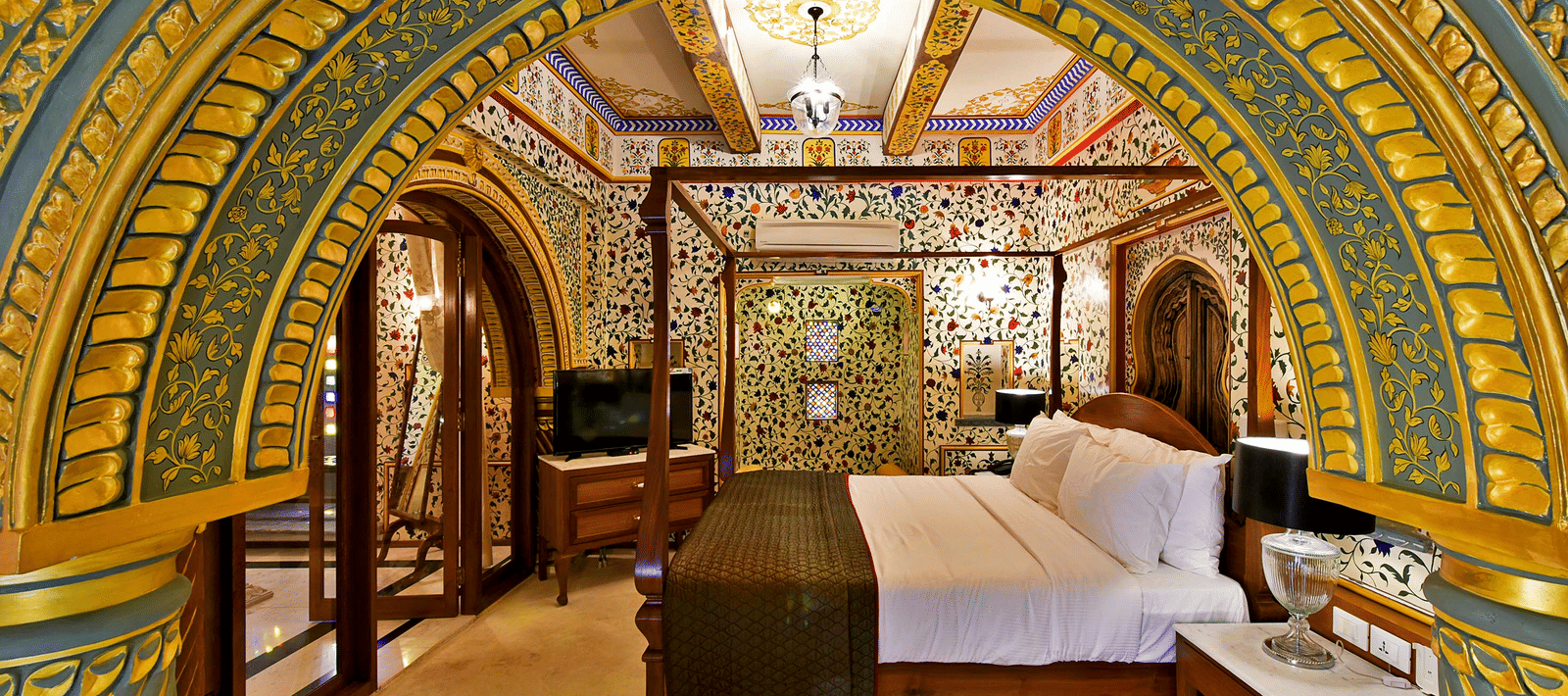
Experience the Royal Hospitality of Gogunda Palace
For those exploring Udaipur in rainy season, Gogunda Palace offers a serene retreat surrounded by the refreshed landscapes of the Aravalli Hills, where the monsoon brings a renewed charm to the region. The palace also serves as an excellent base for exploring nearby heritage attractions, village trails, and scenic countryside, allowing every season to be experienced at an unhurried pace. Whether you are planning a romantic getaway, a cultural holiday or a leisurely heritage retreat, Gogunda Palace brings together history, comfort, fine dining and immersive experiences to create a stay that is distinctly Mewari.

FAQs
Which month is best to visit Udaipur?
October to February is the most reliable window, with temperatures between 10°C and 28°C and clear skies. If you prefer fewer crowds and greener scenery, September and October offer a good post-monsoon shoulder season.
Is it worth visiting Udaipur in the monsoon?
Yes. July to September brings Udaipur's most atmospheric conditions: full lakes, vivid green hills, and low tourist numbers. The trade-off is heavy and unpredictable rainfall, particularly in July and August.
What is the weather like in Udaipur in July and August?
What is the cheapest and least crowded time to visit Udaipur?
May and June are the quietest months, with hotel rates significantly lower than the peak season. July to September is also uncrowded and offers some of the best value for accommodation.
Where should I stay for a heritage break near Udaipur?
Gogunda Palace, approximately 41 km from Udaipur city via NH 27, is a former forest fort with direct historical connections to Maharana Pratap and the Mewar dynasty. The palace offers heritage-style rooms and easy access to Udaipur, Haldighati, and the surrounding Aravalli landscape. Visit Gogunda Palace.