
Places to Visit in Udaipur Beyond the City's Lake Palaces
When planning the places to visit in Udaipur, most travellers picture shimmering lakes, grand palaces, and views framed by the Aravalli hills. While landmarks like Lake Pichola, Fateh Sagar Lake, and the City Palace define the city's charm, Udaipur is also the gateway to the wider Mewar region. Within a comfortable drive, you'll find historic sites such as Haldighati, Kumbhalgarh Fort, and Ranakpur Jain Temple, each adding a different perspective to Rajasthan's heritage.
This guide begins with the city's iconic attractions before venturing to the forts, temples, and scenic destinations beyond its boundaries. It settles, last, on where to base a trip that covers both halves, since accommodation choice often decides how much of Mewar actually fits into the itinerary. A city hotel makes the lakes easy and the forts a stretch. Staying slightly further out can flip that balance the other way, without giving up much.

Exploring the Best Places to Visit in Udaipur and Beyond
Sr. No. | Place | Distance | Best Time to Visit |
| 1 | Lake Pichola | ~40 km | September to February |
| 2 | Fateh Sagar Lake | ~36 km | September to February |
| 3 | City Palace | ~37 km | October to March |
| 4 | Monsoon Palace (Sajjangarh) | ~40 km | October to March |
| 5 | Jagdish Temple | ~37 km | October to March |
| 6 | Bagore Ki Haveli | ~37 km | October to March |
| 7 | Saheliyon Ki Bari | ~35 km | September to February |
| 8 | Karni Mata Ropeway | ~40 km | October to March |
| 9 | Haldighati | ~32 km | October to March |
| 10 | Kumbhalgarh Fort | ~59 km | October to March |
| 11 | Ranakpur Jain Temple | ~57 km | October to March |
| 12 | Nathdwara | ~44 km | October to March |
| 13 | Eklingji Temple | ~33 km | October to March |
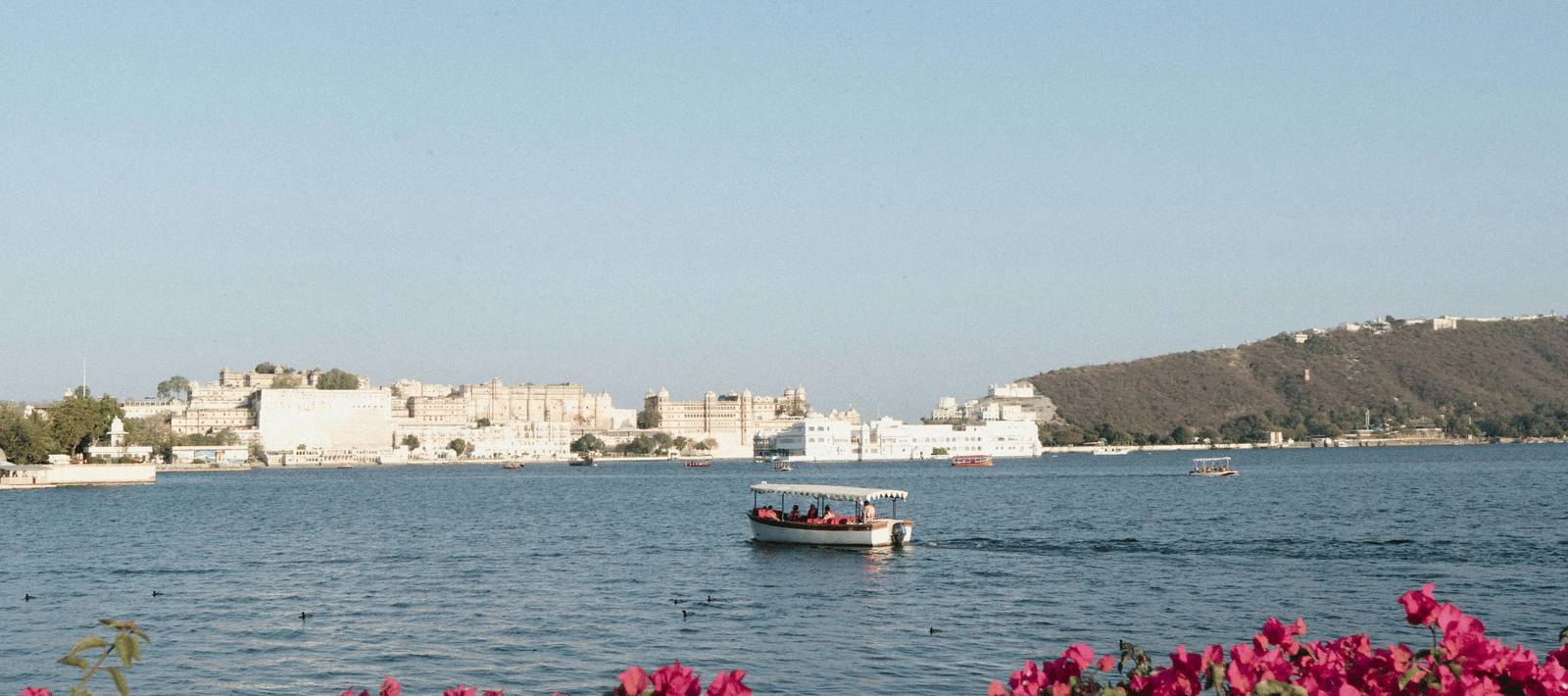
Lake Pichola
City Palace, Jag Mandir, and Jagniwas now sit along or within the water, and an evening boat ride is the simplest way to see all 3 from the lake itself.
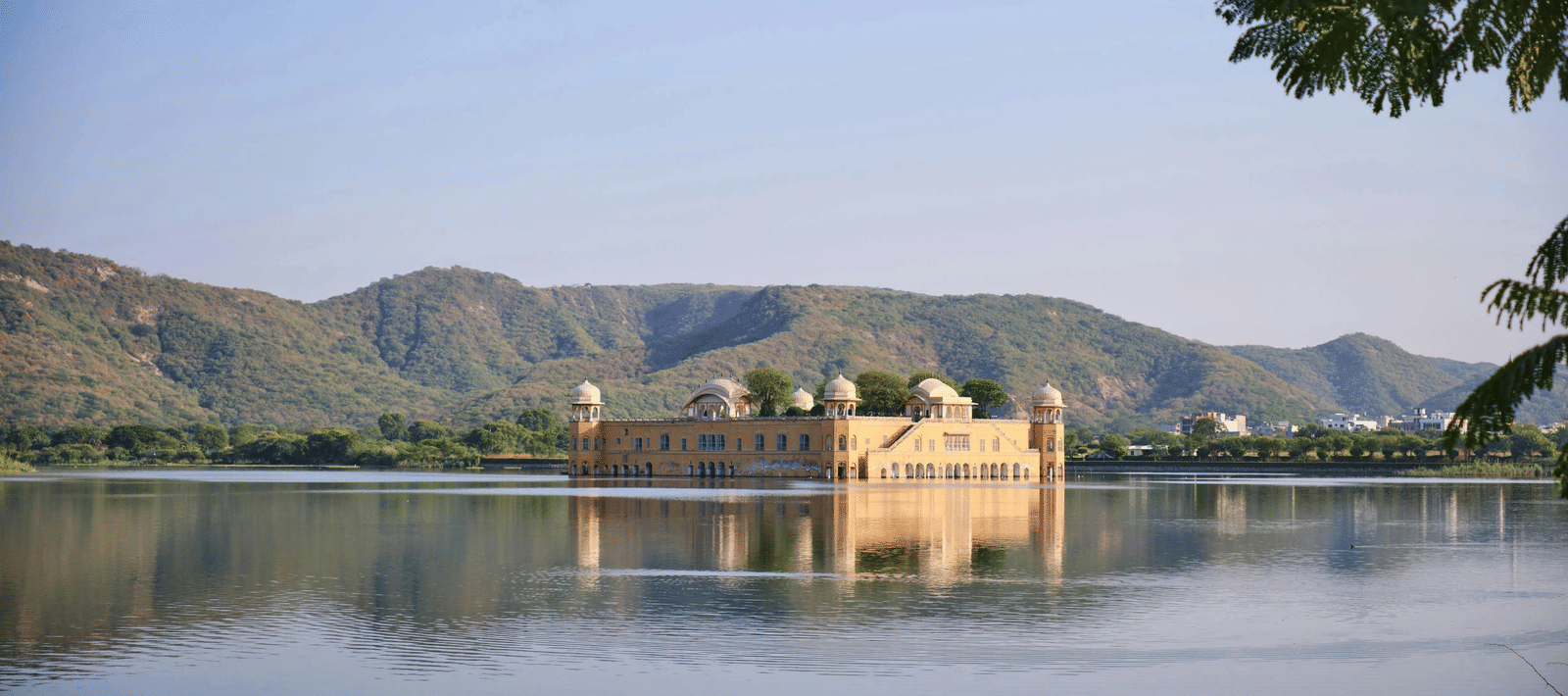
Fateh Sagar Lake
At its centre lies Nehru Park, the largest of the lake's 3 islands, accessible only by boat and spread across approximately 4 sq. km. Today, Fateh Sagar is a favourite among both locals and visitors seeking peaceful lakeside walks, boating experiences, and panoramic views away from the city's busier attractions.
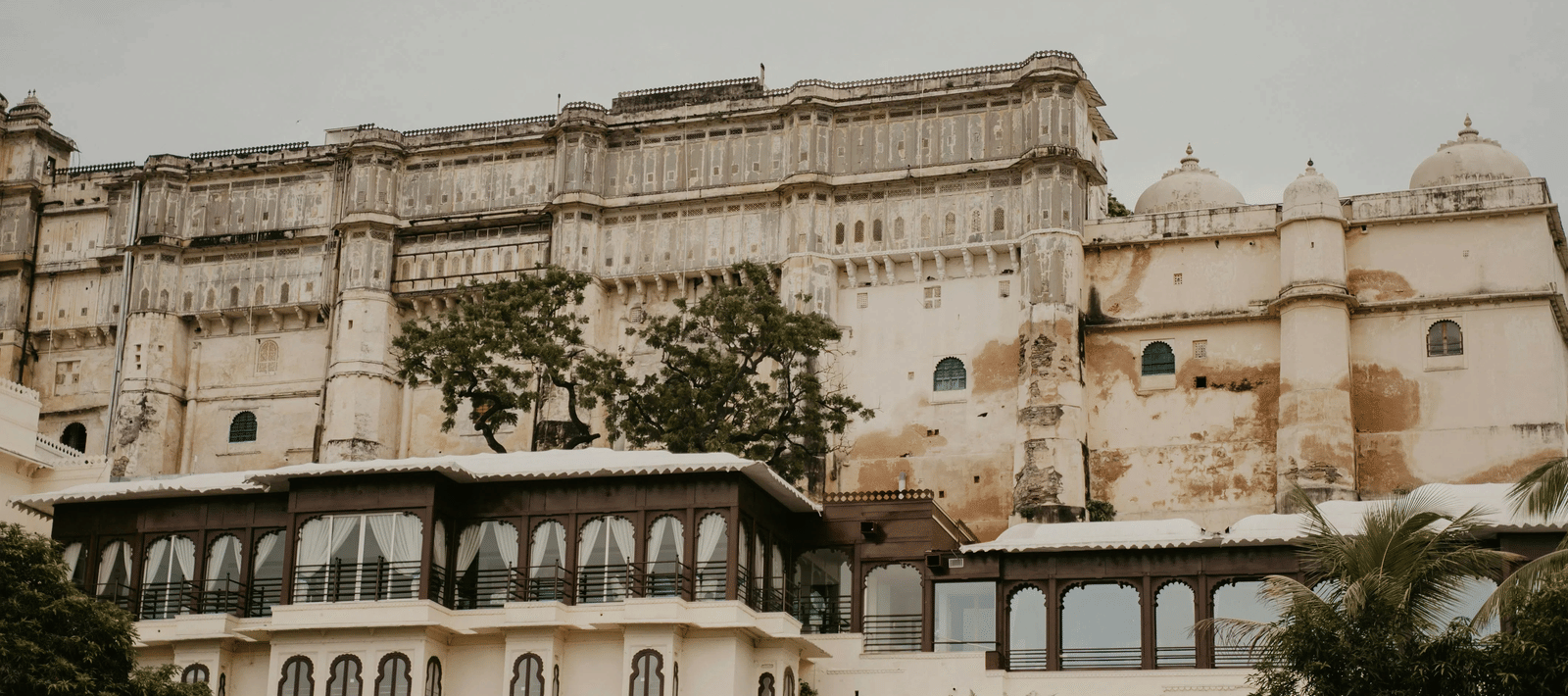
Udaipur's Hilltop and Waterfront Icons
City Palace, Udaipur
Today, visitors can wander through the City Palace Museum, where royal armouries, intricate glasswork, painted chambers and centuries-old artefacts bring the story of the Mewar dynasty to life. Coupled with panoramic views of Lake Pichola and the Aravalli hills, the palace offers an experience that captures the history, architecture and grandeur that define Udaipur.

Monsoon Palace (Sajjangarh)
Later rulers used it mainly to watch the clouds roll in, which is how the palace got its popular name. Sunset draws most visitors up today, with City Palace and both lakes visible at once from the terrace.

Where Udaipur's Culture Still Breathes
Jagdish Temple
Look closely, and you'll notice intricately carved pillars, elephants and dancing figures adorning its soaring spire, showcasing the craftsmanship of the Mewar era. Visit during the evening aarti to experience the temple at its most vibrant, as the sound of bells and devotional chants fills the surrounding market streets.

Bagore Ki Haveli
As the sun sets, the haveli comes alive with the popular Dharohar cultural performance, where Rajasthani folk dances, including the energetic Kalbeliya and the iconic pot-balancing act, captivate visitors. Exploring the museum by day and staying for the evening show makes for one of the most rewarding cultural experiences in Udaipur.

Gardens & Viewpoints
Saheliyon Ki Bari
Located along the northern banks of Fateh Sagar Lake, the garden is an easy addition to your itinerary after a lakeside visit. Arriving early in the morning lets you enjoy its landscaped walkways and tranquil atmosphere before the day's larger crowds arrive.

Karni Mata Ropeway
Plan your visit around sunset, when the golden light reflects off the lake, and the illuminated City Palace creates one of Udaipur's most memorable views. Arriving a little before dusk also gives you time to explore the temple before the evening crowds gather.

Haldighati: Closer to Gogunda than to the City
Beyond the battlefield, visitors can explore memorials dedicated to Maharana Pratap and his loyal horse, Chetak, along with museums that bring the story of the battle to life. Its proximity to Gogunda makes it a rewarding addition to a heritage-focused itinerary through the Mewar region.

Day Trips Further into Mewar
- Kumbhalgarh Fort: Around 59 km from Udaipur (approximately 1 and a half hours by road), Kumbhalgarh Fort is one of Rajasthan's most remarkable hill forts. Commissioned by Rana Kumbha in 1448, it is famed for its 36 km-long fortification walls, among the longest in the world, and was recognised as a UNESCO World Heritage Site in 2013 as part of the 'Hill Forts of Rajasthan'.
- Ranakpur Jain Temple: Located about 57 km from Udaipur (around 1 and a half hours by road), this magnificent marble temple was built between 1389 and 1458 under the patronage of Rana Kumbha. Dedicated to the first Jain Tirthankara, Rishabhanatha, it is celebrated for its 1,444 intricately carved pillars, each featuring a unique design.
- Nathdwara: Approximately 44 km from Udaipur (about 1 hour by road), Nathdwara is best known for the revered Shrinathji Temple. The idol of Lord Krishna was moved here from Mathura in 1672 to protect it during the reign of Aurangzeb, and the temple remains one of the most important pilgrimage sites for devotees.
- Eklingji Temple: About 33 km from Udaipur (around a 35-minute drive), Eklingji Temple is dedicated to Lord Shiva in his form as Eklingnathji, the patron deity of the Mewar rulers. With origins dating back to the 8th century, the temple complex is renowned for its striking stone architecture and enduring spiritual significance.

Beyond Sightseeing: Boat Rides, Heritage Walks & Evenings
Heritage walks through the old city's narrow lanes uncover havelis and workshops that no vehicle can reach, usually starting near Jagdish Temple. Evening cultural shows, particularly the Dharohar performance at Bagore ki Haveli, round off a day that started at the water.
Shopping fills the gaps between all of this, with the lanes around Jagdish Temple particularly dense with small workshops selling miniature paintings, silver jewellery, and block-printed textiles. Bargaining is expected in most of these shops, and prices tend to drop once a seller senses the evening crowd thinning out.

A 16th-century Fort at Gogunda, the Quietest Base for the Mewar Circuit
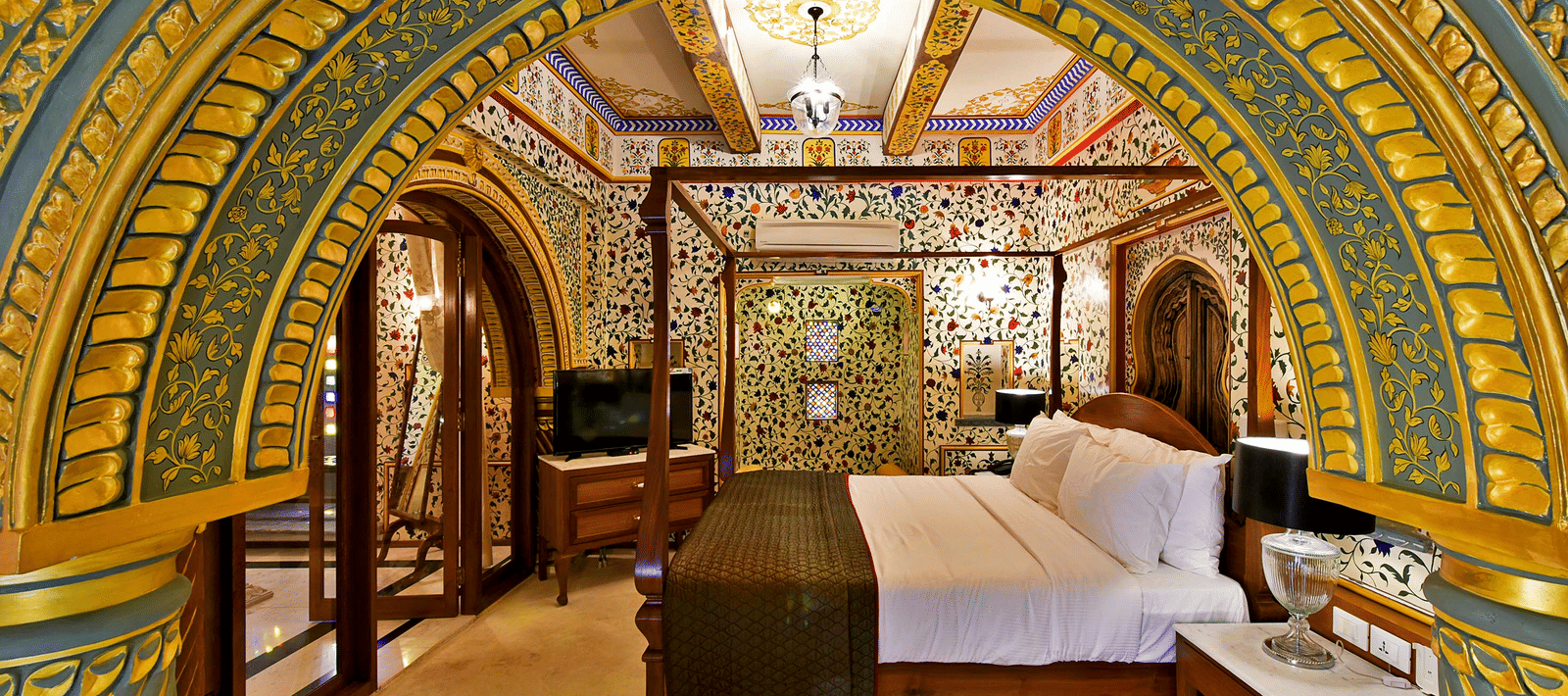
After a day of sightseeing, unwind with a swim in the temperature-controlled pool or savour authentic Rajasthani and Indian cuisine in the palace's atmospheric courtyard restaurant. Whether you're planning a heritage holiday, a road trip through Mewar, or a slower escape beyond the city, Gogunda Palace offers the comfort, character and location to experience the region at your own pace.
Planning the Trip: When to Go and How the Pieces Fit Together
The detailed monthly breakdown, including festival dates and when Fateh Sagar and Pichola are at their fullest, sits in our best time to visit Udaipur guide. Reading that first, before locking in dates, makes it easier to match the day trips above to a season that actually suits them.
A workable sequence starts inside the city for the lakes and palaces, then pushes out to Gogunda and Haldighati, before looping through Kumbhalgarh and Ranakpur on the way back. Nathdwara and Eklingji sit close enough to either end of that loop to fold in without adding a separate day.

A short stay near the city works well enough. Basing a trip slightly further out, though, often means fewer crowds and shorter drives to the sites that matter most. Evenings spent within old fort walls, like ours at Gogunda, tend to stay in memory longer than another lakeside sunset photo.
FAQs
What are the top places to visit in Udaipur?
The city's core group covers Lake Pichola, Fateh Sagar, City Palace, Monsoon Palace, Jagdish Temple, and Bagore ki Haveli, all within a short drive of each other. Saheliyon ki Bari and the Karni Mata ropeway round off a full day of sightseeing inside the city itself.
How many days do you need to see Udaipur?
2 to 3 days cover the main sights inside the city comfortably. A further day suits an outlying excursion well, such as Kumbhalgarh Fort or Ranakpur Jain Temple, both roughly 2 hours away.
What are the best places to visit near Udaipur?
Where should I stay to explore Udaipur and Mewar?
Staying inside Udaipur suits a trip focused only on its own sights, close to Lake Pichola and City Palace. For a trip that also covers Haldighati, Kumbhalgarh, and the other outlying sites, Gogunda Palace sits closer to several of them than the city does, with the added pull of its own 16th-century history.
What is the best time to visit Udaipur for sightseeing?
The best time to visit Udaipur is from October to March, when the weather is pleasant for exploring lakes, palaces, gardens, and nearby attractions. Early mornings and late afternoons are particularly enjoyable for outdoor sightseeing and photography.