
Rajasthan Festivals: A Month-by-Month Guide to Mewar’s Celebrations
Rajasthan festivals are woven into the rhythm of everyday life, bringing together devotion, music, colour, traditional dress, processions, and community celebrations. In the Mewar region, these occasions offer more than a glimpse of local culture; they reveal traditions that have been carried forward through generations.
From the spring celebrations of Gangaur and the Mewar Festival to the monsoon spirit of Teej and the glow of Diwali in Udaipur, there is always a reason to experience Rajasthan differently. Gangaur holds particular significance in Mewar, with Udaipur hosting its celebrated processions and Gogunda holding a rural Gangaur fair during the Mewar Festival period. If you are planning a culturally rich escape, this month-by-month guide to Rajasthan festivals can help you decide when to visit and what to experience along the way.
Rajasthan’s Festival Calendar at a Glance
The festivals in Rajasthan follow the Hindu calendar, so their dates shift each year. The seasons provide a useful way to understand the calendar, but exact festival dates should always be checked before planning a trip. For a broader understanding of weather, temperatures, and seasonal travel conditions, explore our guide to the best time to visit Udaipur. You can also discover more cultural and historic attractions through our guide to places to visit in Udaipur.
| Period | Festival | What to Expect |
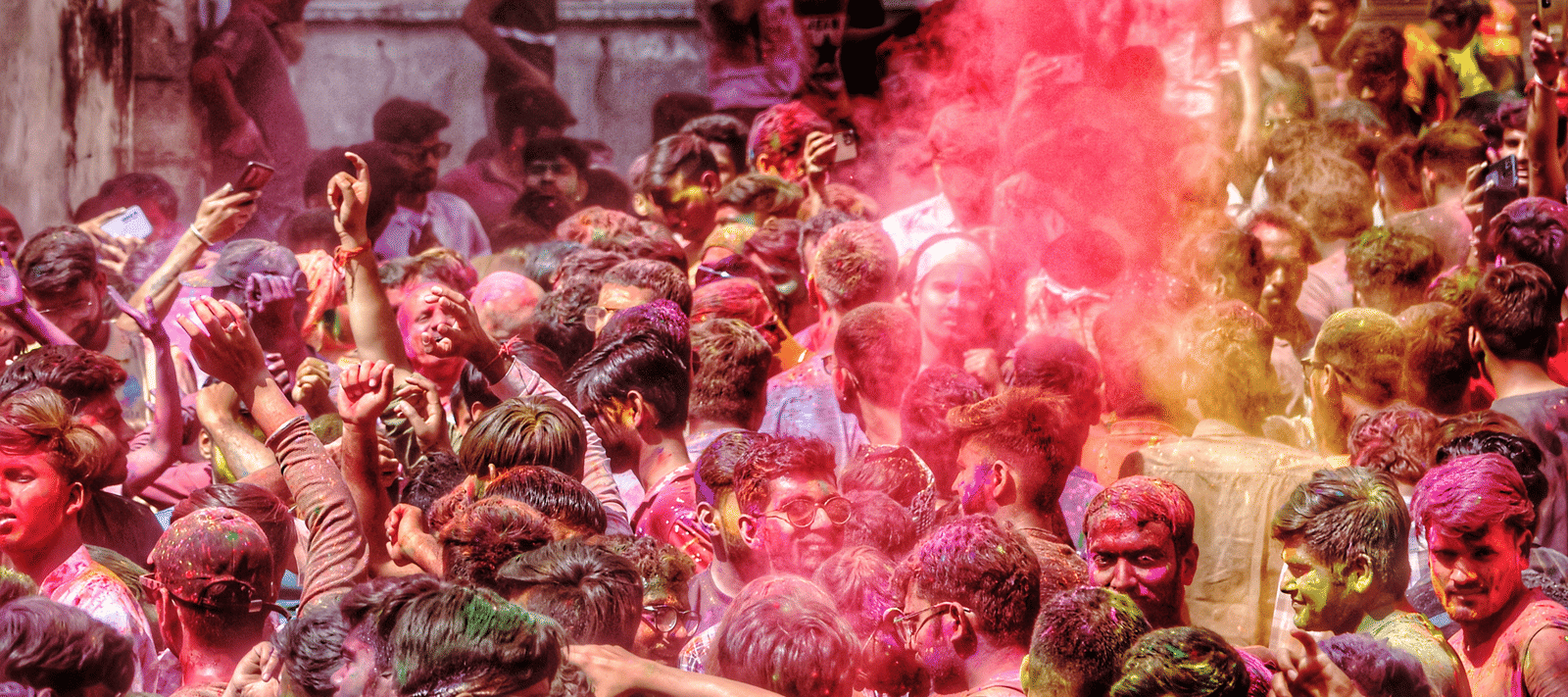
| February-March | Holi | Colour, music, community celebrations, and festive gatherings |
| March-April | Gangaur | Traditional worship, decorated idols, processions, and local fairs |
| March-April | Mewar Festival | Gangaur processions, folk performances, and the ceremonial boat procession in Udaipur |
| July-August | Teej | Monsoon celebrations, traditional attire, songs, swings, and prayers |
| August | Raksha Bandhan & Janmashtami | Family rituals, temple celebrations, and devotional observances |
| September-October | Navratri & Dussehra | Nine nights of devotion, cultural programmes, dance, and Dussehra celebrations |
| October-November | Diwali | Lamps, decorations, prayers, festive gatherings, and illuminated lakefronts |
| December-January | Christmas & New Year | Festive dining, seasonal decorations, and celebrations at heritage properties |

Gangaur: Mewar’s Signature Festival
In Udaipur, Gangaur takes on a distinctly Mewari character. Processions carrying beautifully decorated idols make their way towards Gangaur Ghat on Lake Pichola. The celebrations include traditional dress, music, cultural performances, and the much-loved ceremonial boat procession on the lake.

Gangaur and Gogunda

Mewar Festival: Udaipur’s Royal Spring Celebration
The Mewar Festival is therefore a particularly rewarding time to experience Udaipur and Gogunda together. The city offers the spectacle of Lake Pichola and its historic ghats, while Gogunda brings a more intimate rural dimension to the celebrations.

Teej: Rajasthan’s Monsoon Celebration
Across Rajasthan, Teej is celebrated with varying local traditions. Jaipur is particularly known for its grand public procession, traditional performances, decorated elephants, camels, horses, musicians, and folk dancers. The 2026 Jaipur Teej Festival is scheduled for August, although dates and programmes vary each year. For travellers visiting Mewar during the monsoon, Teej adds another cultural layer to the season. The Aravalli landscape is greener at this time of year, creating a striking setting for exploring Rajasthan beyond its usual summer and winter imagery.

The Many Colours of Rajasthan’s Celebrations
Janmashtami, also generally observed in August, marks the birth of Lord Krishna. Temples and communities come alive with devotional activities, prayers, and midnight celebrations. Together, these occasions demonstrate that festivals in Rajasthan are not limited to large public spectacles. Many are deeply connected to family, faith, and everyday community life.

From Navratri Nights to Diwali Lights
Dussehra follows Navratri and commemorates the triumph of good over evil. Across Rajasthan, the occasion is marked through religious observances, cultural programmes, and community celebrations. Then comes Diwali in Udaipur, when homes, markets, heritage buildings, and waterfront areas take on a festive glow. Lamps and decorations transform the city, while Lake Pichola provides a particularly atmospheric backdrop to the celebrations. For visitors, Diwali is an opportunity to experience Udaipur at one of its most vibrant times of year. It is also worth planning accommodation well in advance, as the festive season is a popular travel period.

Where Winter Meets Mewar’s Royal Heritage

Experience Rajasthan’s Festivals from Gogunda Palace
Experiences include village walks, pottery and jaggery-making activities, jeep safaris into the Aravalli Hills, and visits to historic sites connected with Maharana Pratap. As the day winds down, Royal High Tea in the Champa Garden, sundowners at the Aravalli Chhatri, or a private dinner in the Neem Garden offers another way to experience the setting. For travellers looking for a heritage stay near Udaipur, our palace brings together restored heritage, local experiences, and the atmosphere of a living Mewari stronghold. It also provides a memorable base for discovering Rajasthan’s festivals and the traditions that continue to shape the region’s cultural landscape.

Let the Festival Calendar Shape Your Journey
FAQs
What are the major festivals of Rajasthan?
The major festivals of Rajasthan include Gangaur, the Mewar Festival, Teej, Holi, Raksha Bandhan, Janmashtami, Navratri, Dussehra, and Diwali. In the Udaipur and Mewar region, Gangaur and the Mewar Festival are particularly significant, with celebrations centred around Udaipur and a rural Gangaur fair held in Gogunda.
When is Gangaur celebrated, and where did it originate?
Gangaur is celebrated during Chaitra, generally in March or April. It is observed across Rajasthan, with especially prominent celebrations in Udaipur and Jaipur. Gogunda also hosts a 3-day rural Gangaur fair as part of the Mewar Festival programme.
Which festival is best to experience in and around Udaipur?
Where should I stay to experience Rajasthan’s festivals?
Gogunda Palace offers a heritage stay near Udaipur, set within a restored 16th-century fort in Gogunda. Its location in the Aravalli Hills provides a quieter base for exploring Mewar, while the palace’s history, architecture, and local experiences add to the cultural character of a festival-season stay.