
Shrinathji Temple, Nathdwara: A Journey Through Darshan and Devotion
Some journeys are shaped as much by the rituals along the way as by the destination itself. At the Shrinathji Temple in Nathdwara, the day unfolds through 8 distinct darshans, each marking a different part of Lord Krishna's daily routine. As the principal shrine of the Pushtimarg tradition, the temple draws devotees from across the country, with each darshan opening for a limited time before the doors close for the next ritual.
Set amid the Aravalli hills of Rajasthan, Nathdwara offers more than a visit to a revered shrine. Its temple traditions, colourful lanes, and connections to Mewar's history make it a rewarding addition to a journey through the region. Here is what to know about the temple, its darshan timings, and the road journey from Udaipur.

Where the Nathdwara Temple's Story Begins
Set in the Aravalli hills on the banks of the Banas River, Nathdwara is a temple town in Rajasthan's Rajsamand district. It lies approximately 48 km northeast of Udaipur, with a road journey of around 1 hour 10 minutes to 1 hour 20 minutes. The story of the Nathdwara Temple begins at Govardhan Hill near Mathura, where the idol of Shrinathji was first worshipped. In 1672, the idol was moved towards Mewar to protect it from the Mughal ruler Aurangzeb. Tradition holds that the cart carrying the deity stopped at the village of Sihad and could not be moved further.
Maharana Raj Singh of Mewar is said to have welcomed the deity and offered shelter at this location. A temple was established here, and the settlement gradually grew into the town of Nathdwara. Centuries later, this origin story continues to shape the town's identity as an important centre of devotion.

A Day of 8 Darshans at Shrinathji Temple
- Mangala: The first darshan of the day, when the deity is awakened
- Shringar: The deity is dressed and adorned for worship
- Gwal: A darshan associated with Krishna's childhood and his time with the cows
- Rajbhog: The midday offering of food to the deity
- Utthapan: The afternoon awakening after the period of rest
- Bhog: An afternoon food offering
- Sandhya: The evening worship and aarti
- Shayan: The final darshan before the deity retires for the night

What to Expect When You Visit
Keep a few hours aside for the overall visit, especially if you plan to explore the streets surrounding the temple. The narrow lanes are lined with shops selling traditional sweets, religious keepsakes, and local handicrafts. A leisurely walk through them offers a closer look at the everyday life of this temple town.

Festivals that Bring Nathdwara to Life
During these occasions, the usual darshan pattern may change to accommodate the festival observances. Crowds are also considerably larger, with devotees travelling from different parts of the country. If your visit coincides with a major celebration, check the temple's announcements and schedule in advance to plan your day comfortably.

Udaipur to Nathdwara: Planning the Road Journey
If an early morning visit does not suit your plans, a departure around 7 AM may allow you to reach Nathdwara for a later morning session. This also leaves time to explore the surrounding lanes before beginning the return journey. A little planning goes a long way, particularly when you want to experience the temple without rushing through the day.

Nathdwara to Udaipur via Haldighati
For guests staying at Gogunda Palace, Nathdwara can be part of a wider exploration of the region. The palace is approximately 67 km from Shrinathji Temple by the referenced road route, with a journey of around 1 hour 10 minutes. This makes it possible to include the temple alongside Haldighati and other heritage attractions during the same trip.

Beyond the Temple: Places to See in Nathdwara
The town's artistic traditions are another reason to spend time exploring beyond the temple. Nathdwara is particularly known for Pichwai paintings, a traditional art form associated with Shrinathji worship. Small workshops and shops in the surrounding lanes offer a closer look at these intricate paintings, along with religious crafts and souvenirs.

Make Gogunda Palace Part of Your Mewar Journey
If you are planning an early Shrinathji darshan, consider staying with us the previous night to make an early departure easier. Alternatively, include Nathdwara in a longer Mewar itinerary and explore the surrounding attractions at a relaxed pace. Plan your visit to Shrinathji Temple and let Gogunda Palace be part of your Mewar experience.
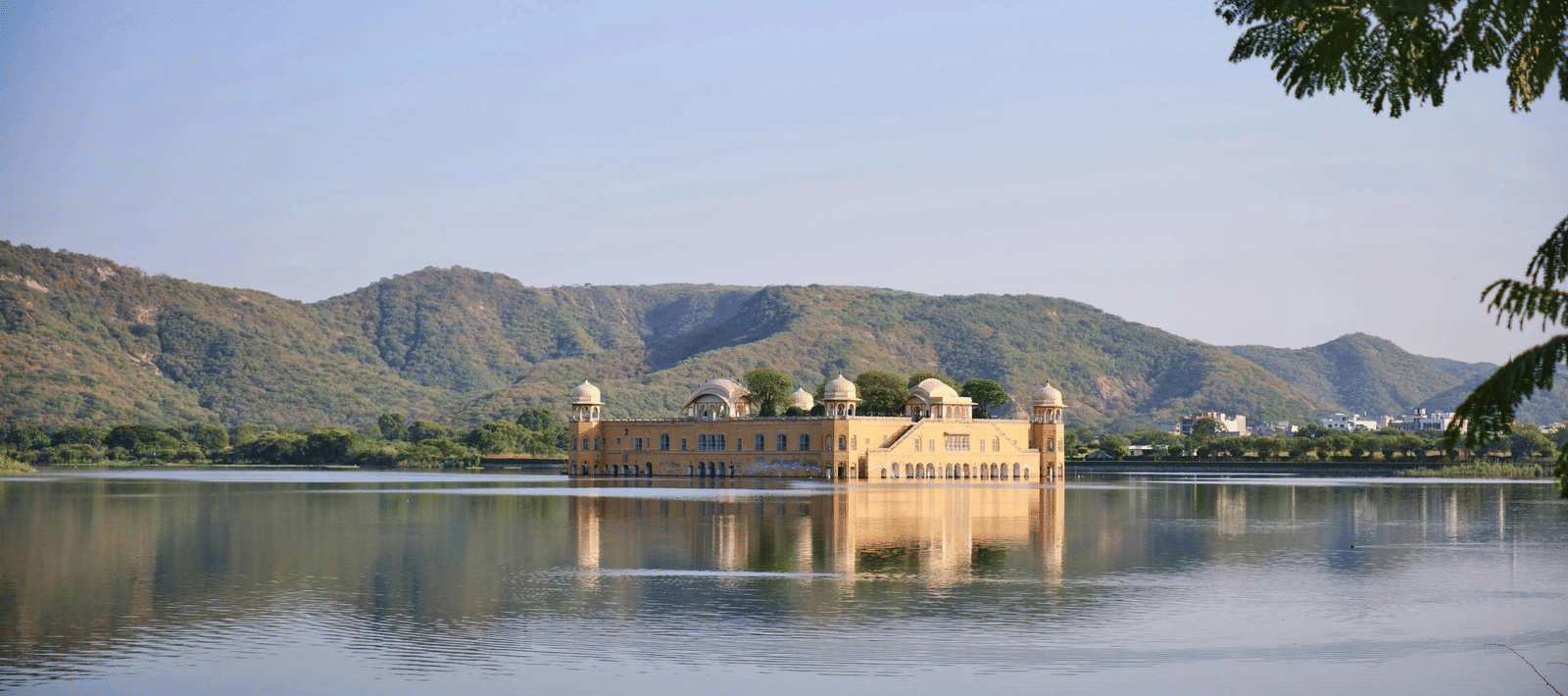
Discover More of Mewar Beyond the Shrine
FAQs
What are the darshan timings at the Shrinathji Temple?
Darshan at Shrinathji Temple is divided into 8 daily sessions, beginning with Mangala in the early morning and ending with Shayan in the evening. The other sessions are Shringar, Gwal, Rajbhog, Utthapan, Bhog, and Sandhya.
How far is Nathdwara from Udaipur?
The Udaipur to Nathdwara distance is approximately 48 km by road. The journey usually takes around 1 hour 10 minutes to 1 hour 20 minutes, depending on traffic and your starting point.
Why is the Shrinathji Temple at Nathdwara famous?
Are mobile phones allowed inside the Shrinathji Temple?
Visitors should check the temple's latest entry guidelines regarding mobile phones, cameras, and bags before arriving. Restrictions may apply to personal belongings, so confirming the rules in advance helps avoid inconvenience at the entrance.
How long does Shrinathji darshan take?
The actual viewing during each darshan is brief, as devotees move through the shrine in a steady queue. However, the overall visit can take longer depending on the selected darshan, crowd levels, and waiting time.
What is the best time of year to visit Nathdwara?
The cooler months are generally comfortable for exploring Nathdwara and its surrounding attractions. Janmashtami, Diwali, and Holi are important occasions at the temple, but they also attract larger crowds. Travellers planning a quieter visit can refer to our guide to the best time to visit Udaipur when planning their Mewar itinerary.
How far is Gogunda Palace from Shrinathji Temple, Nathdwara?
Gogunda Palace is approximately 67 km from Shrinathji Temple in Nathdwara by the referenced road route. The drive takes around 1 hour 10 minutes, depending on traffic and road conditions. Guests can include the temple in a wider itinerary covering Haldighati and other attractions in the Mewar region.
Where is Gogunda Palace located, and what makes it a good base for exploring Mewar?
Gogunda Palace is located in Gogunda, near Udaipur, in the historic region where Maharana Pratap was crowned in 1572. The heritage hotel makes a comfortable base for exploring Shrinathji Temple in Nathdwara, Haldighati and other attractions around Udaipur.